
Triplate®
The Structural Transition Joint for Welding Aluminium to Steel
Triplate® is a vacuum explosion welded aluminium steel transition joint that makes it possible to weld aluminium structures to steel. It consists of three metallurgically bonded layers — structural steel, pure aluminium and seawater-resistant aluminium — and is the proven solution for joining aluminium superstructures to steel hulls in shipbuilding and offshore construction, delivering unmatched reliability, strength and durability in the most demanding marine environments.

What makes Triplate® unique?
Manufactured using advanced vacuum explosion welding, Triplate® creates a continuous metallurgical bond between aluminium and steel. Unlike direct welding or mechanical fastening, this solid-state process delivers a permanent, defect-free connection with superior protection against marine corrosion.
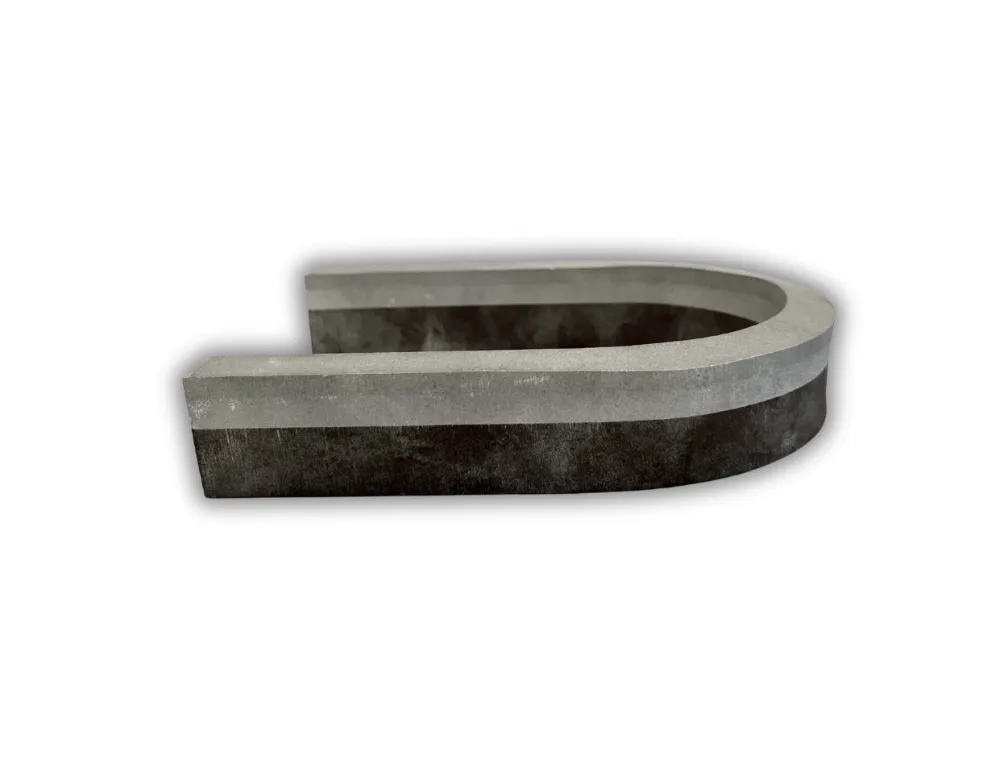
Applications in Shipbuilding and Offshore Construction
Triplate® transition joints are primarily used in:
- Shipbuilding: transition joints between steel hulls and aluminium superstructures, reducing weight without compromising safety.
- Offshore construction: connecting aluminium living modules to steel structures on platforms and support vessels.
Triplate® is trusted in naval ships, high-speed ferries, passenger vessels, and offshore projects operating in extreme environments.
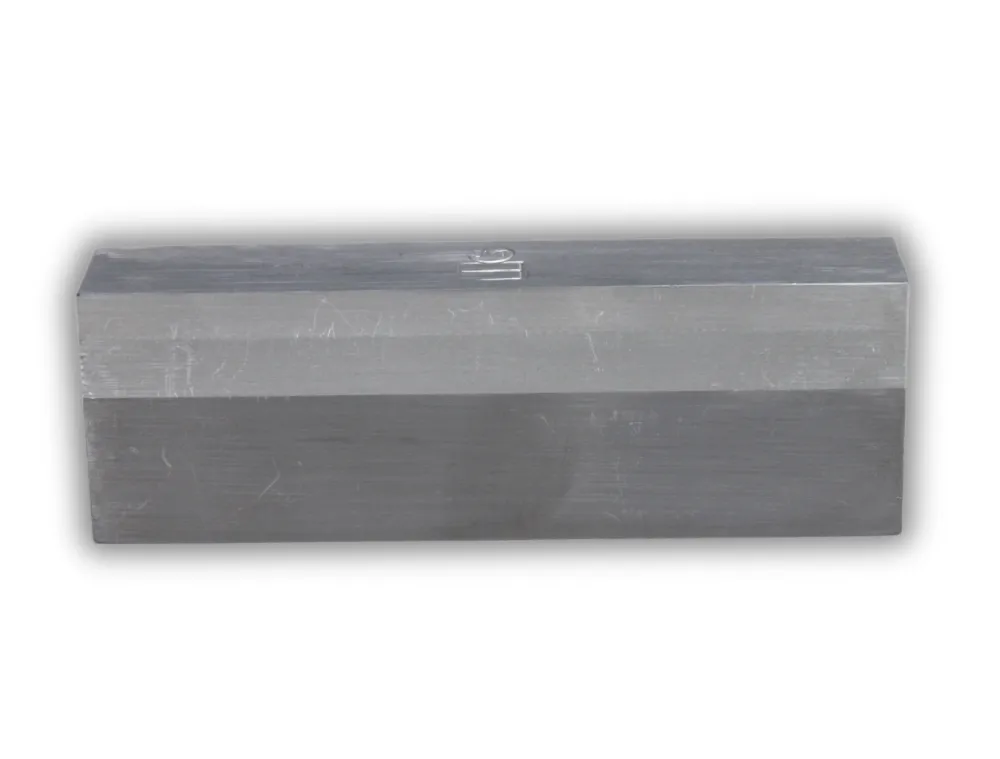
Certified Quality & Proven Reliability
With an impeccable record—not a single joint failure since 2008—Triplate® meets the highest international standards, including MIL-J-24445A, and holds approvals from Lloyd’s Register, DNV and ABS. Each joint undergoes rigorous testing to ensure resistance to fatigue, galvanic corrosion, and mechanical stress. Triplate® is the only transition joint that guarantees a 100% dense interface, verified through dye-penetrant testing. What the specification requires is explained in MIL-J-24445A explained.
Advantages of Triplate®
Permanent, maintenance-free connection
Excellent mechanical strength and corrosion resistance
Certified solution for naval and offshore industries
Proven reliability in international projects
The Ultimate Solution in Naval Transition Joints
With Triplate®, Shockwave delivers a high-performance transition joint trusted by shipyards and engineering companies worldwide. For certified, dependable aluminium-to-steel cladding, Triplate® is the safe choice.
The Three Layers of Triplate®
Aluminium and steel cannot be joined by conventional fusion welding. Triplate® solves this: the steel side is welded to the steel structure, the aluminium side to the aluminium structure, and the explosion-welded interface in between carries the load permanently — replacing bolted or riveted connections.
| Layer | Material | Grade |
|---|---|---|
| Base material | Structural steel | Shipbuilding steel grade A / D / DH36 |
| Intermediate layer | Pure aluminium | Al 99.5 (alloy 1050A) |
| Surface layer | Seawater corrosion-resistant aluminium | AlMg4.5Mn (alloy 5083) |
Technical Specifications
| Property | Value |
|---|---|
| Shear strength, base–interlayer | > 55 N/mm² |
| Through-thickness tensile strength | > 75 N/mm² |
| Bend tests (tension & compression) | Pass |
| Maximum processing temperature | 315 °C |
| Total thickness (steel + Al 1050A + Al 5083) | 19 mm (10+4+6), 28 mm (15+8+6) or 34 mm (20+8+6) |
| Maximum plate size | 3,800 × 1,350 mm |
| Strip width | Cut to any width; custom shapes by water-jet cutting |
| Interface density | 100%, verified by dye-penetrant testing |
| Standards & approvals | MIL-J-24445A; approved by Lloyd’s Register, DNV and ABS |
Standard dimensions are available from stock. Special shapes cut by water-jetting can be supplied with short delivery times — useful for following complex superstructure contours at reduced fabrication cost.
Processing Guidelines
- Keep the Triplate® temperature below 315 °C during welding — use temperature-indicating crayons and intermittent welding where needed.
- For bending, use a minimum radius of 10× the strip width or thickness.
- Triplate® is easy to saw and form thanks to the high ductility of the vacuum-clad bond.
Why Vacuum Cladding Matters
Most transition joints are explosion welded in open air. Shockwave produces Triplate® inside a vacuum chamber, which eliminates trapped air and oxides at the interface: a 100% dense bond with no oxide inclusions to initiate fractures or corrosion, no stress-relief treatment needed, and a more ductile joint that is easier to saw and bend.
Proven Worldwide
Triplate® has been supplied to shipyards in Korea, the Netherlands, France, Germany, Finland, Italy, Norway, the Philippines and South America. Fincantieri has used kilometres of Triplate® strip in cruise ship construction, and the Queen Mary 2 — built by Chantiers de l’Atlantique — contains more than 3 km of Triplate® strip plus water-jet-cut special profiles.
Frequently Asked Questions
Can aluminium be welded directly to steel?
No — conventional fusion welding of aluminium to steel creates brittle intermetallic compounds. A transition joint like Triplate® is welded conventionally on each side (steel-to-steel, aluminium-to-aluminium), while its explosion-welded interface permanently joins the two metals.
What is Triplate® made of?
Three layers: structural steel, pure aluminium (1050A) and seawater-resistant aluminium alloy 5083, explosion welded together under vacuum.
What temperature can Triplate® withstand during welding?
The interface must stay below 315 °C during welding. Standard practice is intermittent welding and temperature-indicating crayons.
Why use a vacuum explosion welded transition joint instead of an open-air one?
Vacuum cladding produces a 100% dense, oxide-free interface — no porosity to initiate fractures or corrosion — and a more ductile bond that is easier to saw and bend.
Is Triplate® approved for naval and commercial shipbuilding?
Yes — Triplate® complies with MIL-J-24445A and is approved by Lloyd’s Register, DNV and ABS. A stainless-steel version, Inox-Triplate®, is available for aluminium-to-stainless connections.
Related guides
- How to weld aluminium to steel — why direct welding fails and how transition joints solve it
- Transition joint explained — what it is and how it works
- Explosion welding — how the process works
Download Data Sheet
Please complete the form below to receive the brochure via email within a few minutes.