
Clad Plates: High-Performance Solutions for Industrial Applications
Advanced clad plate solutions designed for strength, corrosion resistance and long-term performance
Clad plates are composite metal materials formed by bonding two or more metals to combine their properties into a single solution. This approach allows engineers to achieve an optimal balance between mechanical strength and corrosion resistance in demanding industrial environments.
In many industrial applications, a single material cannot provide the required performance. For this reason, clad plates are widely used in industries such as oil & gas, chemical processing, energy, and offshore engineering, where durability and resistance to aggressive conditions are essential.
At Shockwave, clad plates are manufactured using advanced vacuum-controlled bonding technology, ensuring superior reliability, consistency, and long-term performance in critical applications.
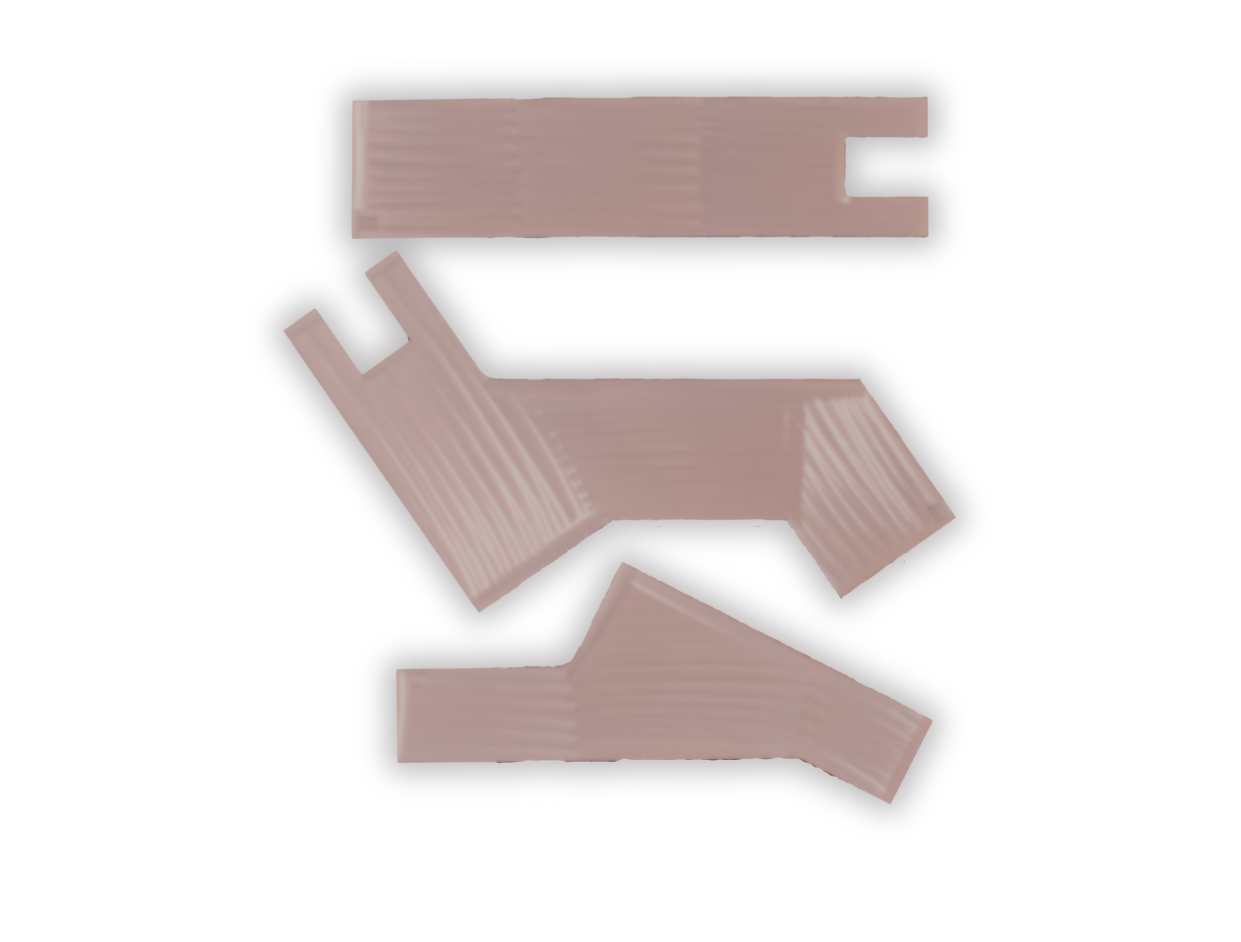
What Are Explosion Clad Plates?
Clad plates are composite materials formed by bonding a corrosion-resistant metal layer to a structural base material. This combination allows each material to contribute its key properties to the final component, esulting in a solution that combines strength, durability, and resistance to harsh environments.
Typically, the base material provides structural integrity, while the clad layer protects against corrosion, temperature, or chemical exposure.
Key characteristics:
- Combination of different material properties
- High mechanical strength and durability
- Excellent corrosion resistance
- Cost-effective alternative to solid alloys
How Clad Plates Are Manufactured
Shockwave clad plates are produced using vacuum-controlled explosion welding, a solid-state bonding technique that joins metals without melting them.
This process ensures a strong and continuous metallurgical bond while preserving the original properties of each material. By operating in a controlled environment, oxidation is minimised and interface quality is significantly improved.
As a result, our clad plates offer high bond integrity, consistent quality, and reliable performance in demanding industrial conditions.
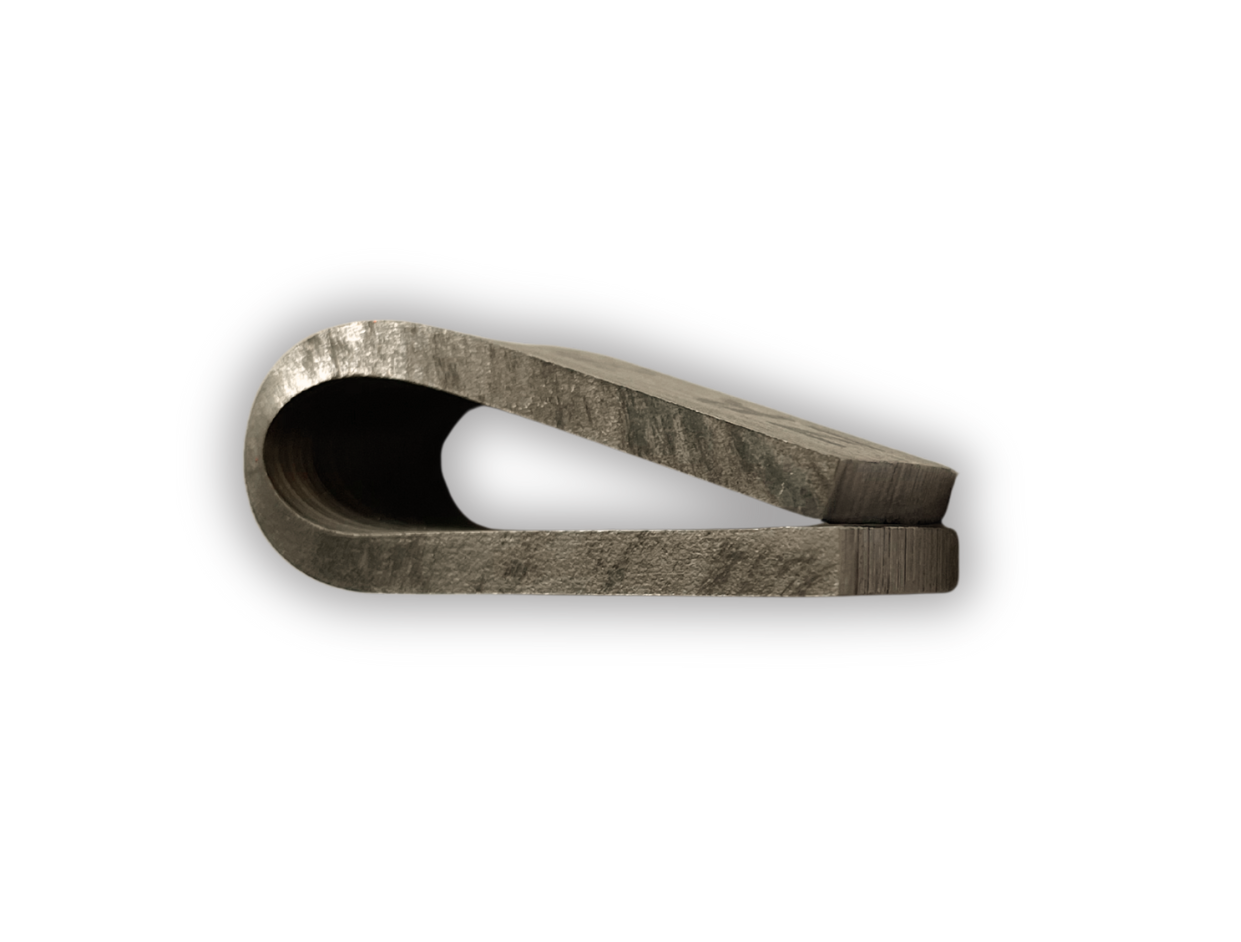
Available Formats
Clad plates can be manufactured in different geometries depending on the requirements of the final application. This flexibility allows their integration into a wide range of industrial equipment.
Common formats include:
- Flat plates (square or rectangular)
Used in pressure vessels, structural components, and large industrial systems. - Round discs (tube sheets or heads)
Designed for heat exchangers and pressure equipment requiring circular geometries. - Tubes Sheets
Applied in heat exchangers where both strength and corrosion resistance are required.
Materials and Combinations
Clad plates can be manufactured using different material combinations depending on the required performance, operating conditions, and industry standards.
Typically, corrosion-resistant alloys are bonded to structural steels to achieve an optimal balance between durability, resistance, and cost efficiency.
Selecting the appropriate material combination is critical to ensure long-term performance and reliability in each application.
Industrial Applications
Clad plates are used in industries where materials must perform under demanding conditions over long service periods.
Key applications include:
- Oil & Gas: pipelines, pressure vessels, offshore structures.
- Chemical Processing: reactors, heat exchangers, storage systems
- Energy: power plants and renewable energy infrastructure
- Offshore & Marine: components exposed to highly corrosive environments
- Aluminium foundries and steel mills
- HVAC and industrial cooling systems
- Pharmaceutical industry
- Desalination plants
- And Many more
These applications require solutions that combine strength, corrosion resistance, and long-term reliability.
Advantages of Clad Plates
Clad plates offer significant advantages in industrial applications where performance, durability, and cost efficiency are critical.
Key benefits include:
- Reduced material cost compared to solid alloys
- High resistance to corrosion and aggressive environments
- Excellent mechanical strength and structural integrity
- Extended service life of equipment
- Flexibility in material selection and design
In addition, clad plates enable the efficient use of high-value materials by applying them only where they are needed. This approach improves overall performance while optimising cost.
By combining different materials, clad plates provide a reliable and efficient solution for complex engineering requirements.
Why Choose Shockwave Clad Plates
Shockwave specialises in manufacturing high-performance clad plates using advanced vacuum-controlled bonding technology, ensuring superior quality and reliability in demanding industrial applications.
Our approach provides:
- Consistent manufacturing quality
- High-integrity metallurgical bonding
- Solutions tailored to complex project requirements
- Proven performance in critical industrial environments
Lower Environmental Impact: –4,000 tonnes of CO₂ per year
Our vacuum-controlled manufacturing process significantly reduces emissions compared to conventional open-air methods. By operating in a controlled environment, we improve process efficiency while minimising environmental impact.
This allows us to deliver high-performance clad plates while supporting more sustainable industrial operations.
FAQs about Clad Plates
What are clad plates used for?
Clad plates are used in industrial applications requiring both structural strength and corrosion resistance, such as pressure vessels, pipelines, chemical processing equipment and many more.
How are clad plates manufactured?
Clad plates are produced by bonding different metals using advanced solid-state techniques, ensuring strong and reliable performance without compromising material properties.
Among these methods, vacuum-controlled processes are widely used for high-performance applications, as they improve bond quality, consistency, and long-term reliability.
What materials are used in clad plates?
Clad plates combine corrosion-resistant alloys with structural materials to achieve the required performance in demanding environments. The specific combination depends on the application requirements and operating conditions.
For detailed material combinations and technical specifications, you can download our clad plates brochure.
Why use clad plates instead of solid alloys?
Clad plates provide similar performance to solid alloys while significantly reducing material costs by using high-value materials only where they are needed. This makes them a cost-efficient solution for large industrial components.
What industries use clad plates?
Clad plates are widely used in industries such as oil & gas, chemical processing, energy, offshore, and marine applications, where materials must withstand aggressive environments and long service conditions.
What are the advantages of clad plates?
Clad plates offer a combination of high mechanical strength, excellent corrosion resistance, and cost efficiency. They also provide extended service life and flexibility in material selection for demanding industrial applications.
How do you select the right clad plate?
Selecting the right clad plate depends on factors such as operating conditions, corrosion requirements, temperature, and mechanical loads. Material compatibility and performance requirements must be carefully evaluated.
For guidance on material selection and available solutions, you can consult our technical brochure.
What is the difference between clad plates and coated materials?
Clad plates are created by bonding metals together at a metallurgical level, resulting in a strong and permanent connection. In contrast, coated materials only have a surface layer applied, which may wear or degrade over time.
Can clad plates be customised for specific applications?
Yes, clad plates can be tailored to meet specific project requirements, including material combinations, thickness, and geometry. This flexibility allows them to be used in a wide range of industrial applications.
Are clad plates suitable for harsh environments?
Clad plates are specifically designed for use in harsh environments where corrosion, high temperatures, and mechanical stress are present. Their combination of materials ensures long-term durability and reliable performance.
Download Data Sheet
If you’d like us to send you the technical data sheet for this product, please fill out this form and we’ll send it to you right away.