
Joining Dissimilar Metals: Methods, Challenges and Solutions
Joining dissimilar metals is a key process in modern engineering, enabling the combination of different material properties to meet demanding performance requirements.
In many industrial applications, a single material cannot provide the required performance. For this reason, joining two dissimilar metals is often necessary to achieve the desired combination of strength, corrosion resistance, and thermal performance.
However, differences in material behaviour make this process technically complex, requiring specialised solutions to ensure reliability and long-term performance.
Among the available technologies, explosion bonding has become one of the most effective solutions for demanding industrial environments.
What is Joining Dissimilar Metals?
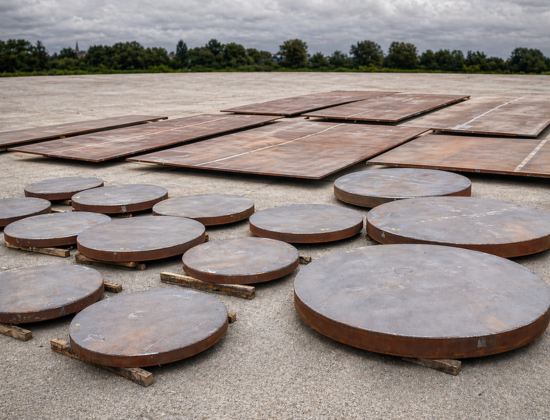
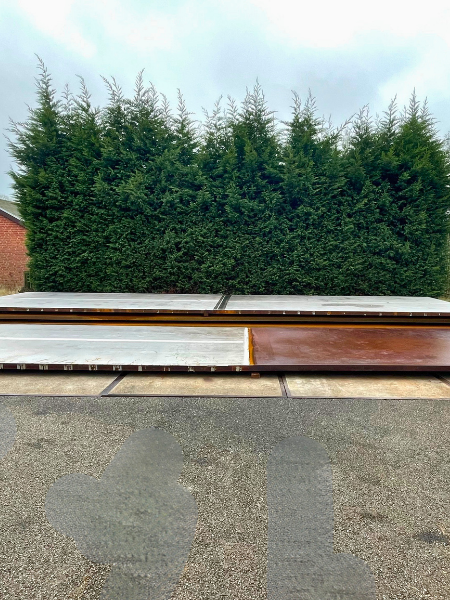
Joining dissimilar metals refers to the process of bonding two or more metals with different physical, chemical, or mechanical properties into a single functional component.
This technique makes it possible to combine the advantages of different materials, such as strength, corrosion resistance, and thermal performance, in applications where a single metal would not be sufficient.
It is commonly used in industrial and engineering applications where performance, durability, and efficiency are critical.
Key Characteristics:
- Combines different material properties
- Improves performance and efficiency
- Enables advanced engineering solutions
Challenges of Joining Dissimilar Metals
Joining dissimilar metals presents several technical challenges due to the inherent differences between materials, making it a complex process in many industrial applications.
These challenges explain why joining dissimilar metals is often more difficult than working with similar materials and requires specialised techniques to ensure reliable performance.
Key Challenges Include:
- Different melting points between metals
Metals with significantly different melting temperatures are difficult to join using conventional welding processes, as uneven heating can lead to defects or weak joints. - Differences in thermal expansion rates
Variations in thermal expansion can generate residual stresses during heating and cooling, increasing the risk of distortion or failure in service. - Metallurgical incompatibility between materials
Certain metal combinations can form brittle intermetallic compounds at the interface, reducing the strength and reliability of the joint. - Risk of galvanic corrosion in dissimilar metals
When different metals are in contact, especially in corrosive environments, galvanic corrosion can occur, leading to accelerated material degradation.
Because of these challenges, selecting the right joining method is essential to avoid failure, ensure durability, and achieve reliable long-term performance in demanding environments.
Methods for Joining Dissimilar Metals
Several methods are used to join dissimilar metals, each with specific advantages and limitations depending on the application.
Welding
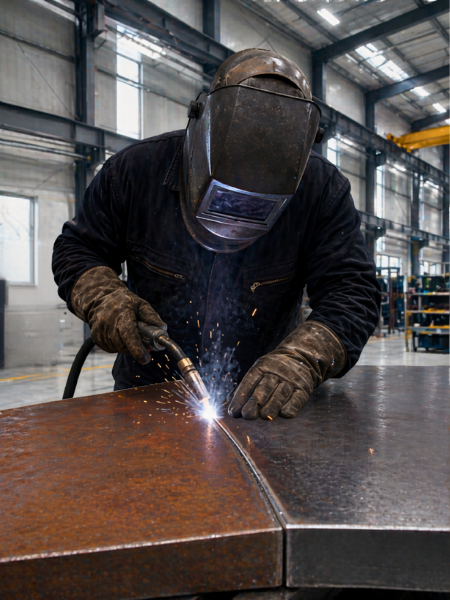
Traditional welding relies on heat to melt the materials and form a joint. While effective for similar metals, it is often limited when joining dissimilar materials due to thermal distortion and metallurgical issues.
Brazing
Brazing uses a filler material at lower temperatures than welding. It can be suitable for certain combinations but generally provides lower mechanical strength compared to other methods.
Mechanical Fastening
Mechanical joining methods, such as bolting or fastening, allow metals to be combined without heat. However, these techniques do not create a metallurgical bond and may not be suitable for high-performance applications.
Explosion Bonding
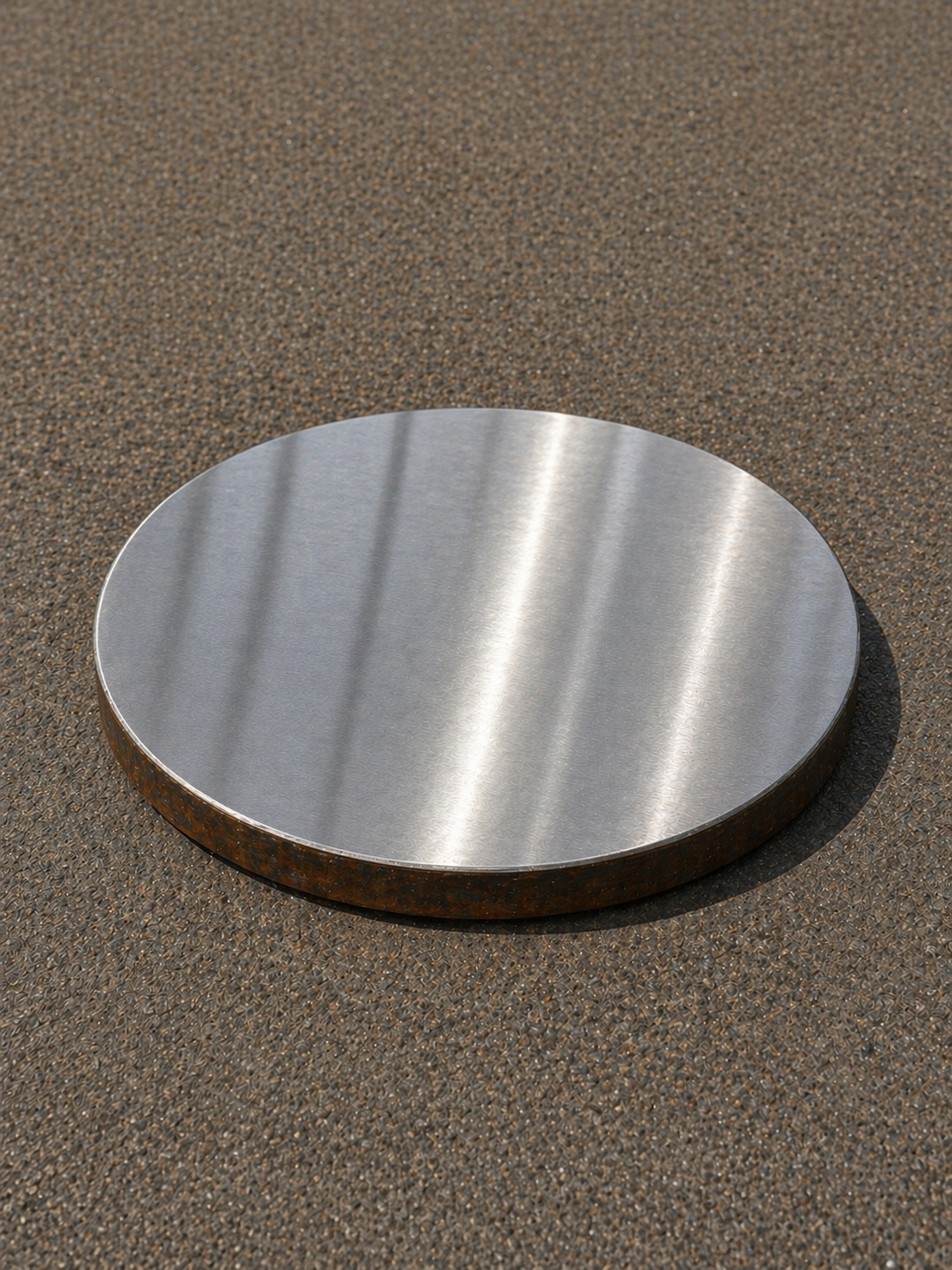
This process is a solid-state technique that joins metals through high-velocity impact without melting them. Explosion bonding enables the combination of materials with very different properties while preserving their integrity.
It is particularly effective in applications where conventional joining techniques cannot meet performance requirements.
Choosing the Right Method for Joining Dissimilar Metals
Selecting the most suitable method for joining dissimilar metals depends on several technical and operational factors. Each application has specific requirements that influence the choice of process, and no single technique is universally applicable.
One of the key considerations is the compatibility between materials. Differences in melting point, thermal expansion, and chemical behaviour can limit the effectiveness of conventional joining methods, particularly those based on heat.
Mechanical performance is another critical factor. In high-demand environments, the joint must withstand stress, pressure, and temperature variations without compromising integrity. For this reason, methods that preserve the original properties of each material are often preferred.
In addition, environmental conditions play an important role. Applications exposed to corrosive media or extreme temperatures require joining solutions that ensure long-term durability and resistance to degradation.
From a manufacturing perspective, factors such as component size, production scalability, and cost efficiency must also be considered when selecting the appropriate method.
Because of these requirements, advanced solid-state joining technologies are often the most suitable option for combining dissimilar metals in demanding industrial applications. These methods avoid melting the materials and enable the creation of strong, reliable bonds while maintaining material integrity.
Among these technologies, explosion bonding stands out as a highly effective solution for demanding applications involving dissimilar metals.
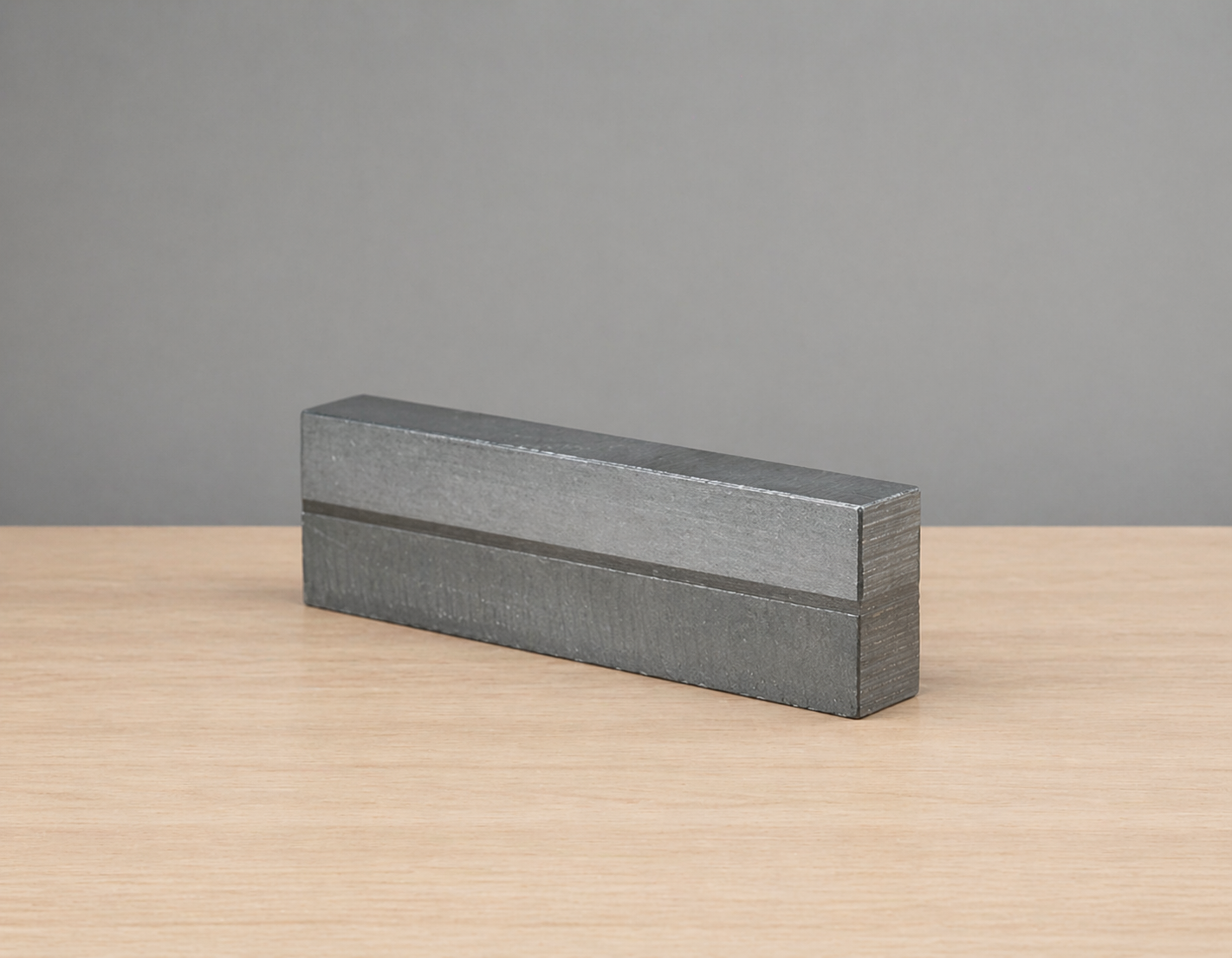
Advanced Capability: Vacuum Explosion Bonding
An advanced variation of this process, vacuum explosion bonding, is performed in a controlled environment to further enhance bond quality.
By eliminating air and reducing oxidation, vacuum conditions improve interface cleanliness and ensure a more consistent and reliable bond.
This results in:
- Improved metallurgical integrity
- Reduced risk of contamination
- Greater process consistency
- Enhanced performance in critical applications
- No microcracks at the bonding interface
Common Dissimilar Metal Combinations
Joining dissimilar metals makes it possible to combine materials that would otherwise be incompatible using traditional methods.
The following table shows typical combinations used when joining dissimilar metals:
| CLAD LAYER | Stainless Steel | Duplex | Titanium | Tantalum | Al-Bronze |
| Nickel | Nickel-Alloys | Aluminium | Copper-Alloys | ||
| BASE MATERIAL | Carbon Steel | Stainless Steel | Alloyed Steel | Copper | Aluminium |
These combinations demonstrate the versatility of advanced joining technologies in industrial applications.
Industrial Applications
In many industries, combining different material properties is essential to meet demanding performance requirements.
Dissimilar metal joining is used when a single material cannot provide the required combination of strength, corrosion resistance, thermal performance, or cost efficiency.
For example, in oil and gas applications, components often require high structural strength combined with resistance to corrosive environments. This is typically achieved by combining structural steels with corrosion-resistant alloys.
In offshore and marine environments, materials must withstand aggressive conditions while maintaining long-term durability. Similarly, in chemical processing and energy sectors, dissimilar metal combinations are used to improve performance and extend equipment lifespan.
Advantages of Joining Dissimilar Metals
The ability to join different metals provides significant advantages in engineering design and industrial performance.
Key benefits include:
- Optimised material performance
- Reduced overall cost compared to solid alloys
- Improved corrosion resistance
- Enhanced structural efficiency
- Greater design flexibility
By combining the strengths of different materials, engineers can design more efficient and reliable components for demanding applications.
FAQs about Joining Dissimilar Metals
What is the best way to join dissimilar metals?
The best method depends on the application. However, advanced solid-state methods such as explosion bonding are often preferred for high-performance requirements due to their ability to create strong, reliable bonds without melting the materials.
In particular, vacuum-controlled processes can further enhance bond quality by reducing oxidation and improving consistency.
Can dissimilar metals be welded?
In some cases, yes. However, differences in material properties often make traditional welding difficult or unsuitable.
What are the main challenges in joining dissimilar metals?
The main challenges include differences in melting point, thermal expansion, metallurgical compatibility, and the risk of corrosion.
Why is explosion bonding used for dissimilar metals?
Explosion bonding allows metals with very different properties to be joined without melting, preserving their characteristics and ensuring a strong metallurgical bond.
How do you join two dissimilar metals?
The method used to join two dissimilar metals depends on the materials and application requirements. Conventional techniques such as welding or brazing may be suitable in some cases, but advanced solid-state methods are often preferred for high-performance applications due to their ability to create strong, reliable bonds without melting the materials.
Why are advanced solid-state methods preferred for joining dissimilar metals in harsh environments?
Advanced solid-state methods such as explosion bonding are often preferred for joining dissimilar metals in harsh environments because they do not rely on melting the materials.
This avoids issues such as thermal distortion, residual stress, and the formation of brittle intermetallic compounds. As a result, these methods provide stronger, more reliable bonds with better resistance to corrosion and extreme operating conditions.