
CryoClad®
The Cryogenic Transition Joint that Connects the impossible
In applications where reliability and structural integrity are critical, such as liquid hydrogen storage, LNG facilities, aerospace propulsion, or ultra-high vacuum systems, only one technology ensures a perfect connection: CryoClad®, the cryogenic transition joint developed by Shockwave Metalworking Technologies.
CryoClad® is a multilayer cryogenic plate designed to join dissimilar metals with a 100% dense, oxide-free, and defect-free interface, even under extreme cryogenic temperatures, high pressure, and vacuum.
Thanks to Shockwave’s exclusive vacuum explosive bonding technology, CryoClad® delivers unmatched metallurgical integrity, reliable performance, and long-lasting durability.
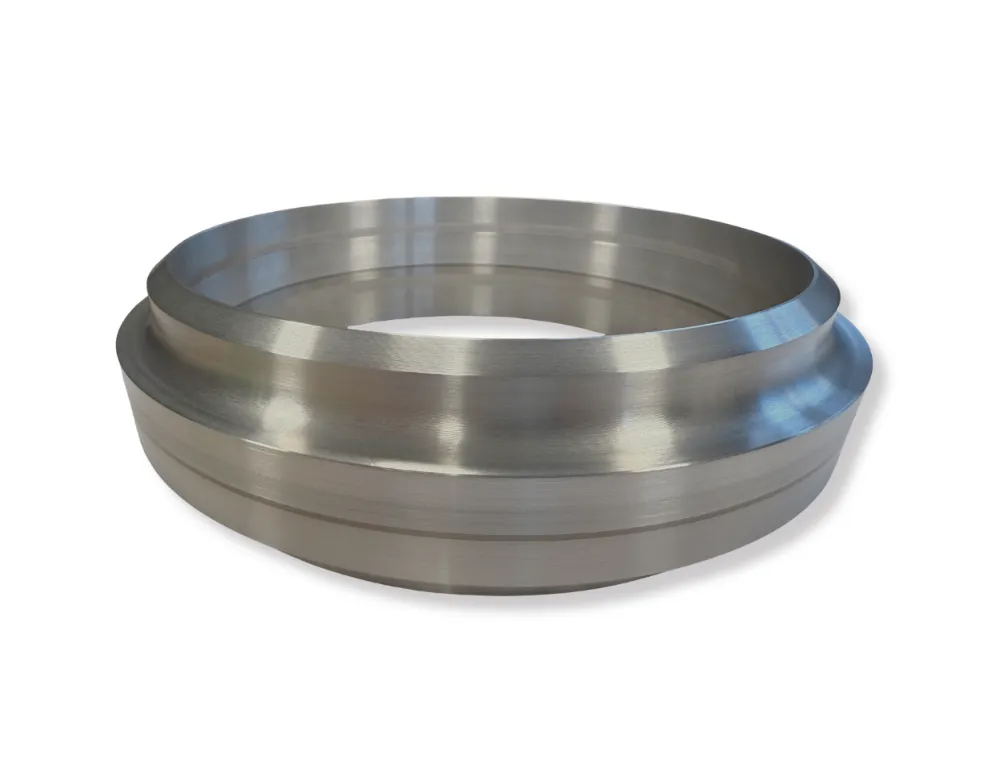
Guaranteed Quality for Cryogenic Transition Joints
Every CryoClad® cryogenic transition joint undergoes rigorous non-destructive testing (NDT) to ensure complete reliability before delivery.
Quality and testing procedures include:
- Liquid penetrant inspection to verify there are no microcracks or surface imperfections in the bonded interface.
- Helium leak testing with sensitivity up to 10⁻¹⁰ mbar·l/s, ensuring a fully hermetic seal.
These tests confirm a defect-free, oxide-free joint, with maximum metallurgical integrity and extended service life under the most demanding conditions, making CryoClad® one of the most reliable cryogenic transition joints available on the market.
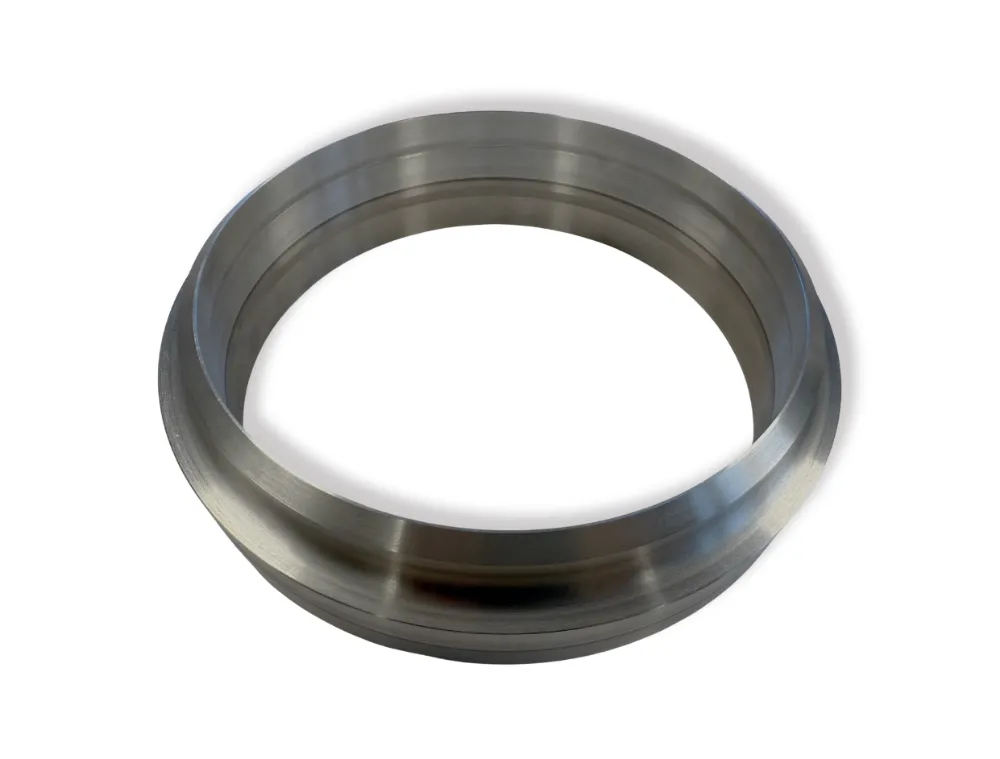
Patented Vacuum Explosive Bonding Technology for Cryogenic Joints
At the heart of CryoClad® lies Shockwave’s patented vacuum explosive bonding process.
Unlike conventional methods, this technology enables fabrication in a fully vacuum environment, preventing oxide formation and ensuring a pure, continuous metallurgical interface.
Thanks to this process, CryoClad® cryogenic joints achieve:
- Perfect bonding across the entire plate, free of discontinuities.
- Pressure resistance exceeding 360 bar.
- Batch-to-batch repeatability and consistency performance.
This precision makes CryoClad® the ideal solution for applications such as hydrogen storage tanks, LNG infrastructure, and aerospace propulsion systems.
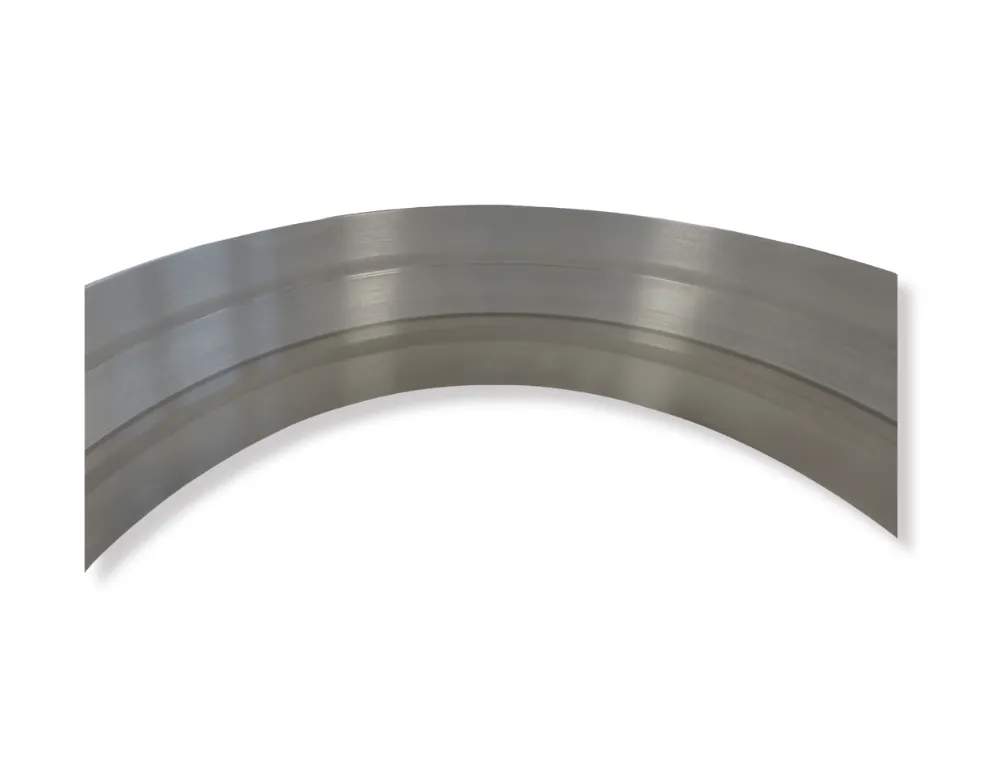
Materials and Configurations
CryoClad® is available in various material combinations and multilayer configurations, tailored to each project’s specific requirements. It enables efficient joining of stainless steel, titanium, aluminium, and special alloys, ensuring a stable and reliable cryogenic transition between metals with different thermal and mechanical properties.
CryoClad® is available in a range of thicknesses and sizes, adaptable to the dimensions and pressure requirements of each installation, while maintaining consistent quality and performance in every cryogenic transition joint.
To explore all available configurations and detailed technical specifications, download our brochure here
Efficiency and Sustainability of Cryoclad
Shockwave’s vacuum explosive bonding process uses only a fraction of the explosives required by traditional methods and filters explosion gases before release, minimizing environmental impact.
Thanks to this innovation, CryoClad® prevents over 250 tons of CO₂ emissions per year, making it a cleaner, safer, and more responsible choice for high-performance industries.
Main Applications
CryoClad® cryogenic transition joints are used in industries where reliability is essential:
- Cryogenic hydrogen and LNG storage tanks
- Aerospace and propulsion components
- Vacuum systems, cryostats, and heat exchangers
- High-pressure aluminium-stainless steel transitions
Advantages of Choosing CryoClad®
Metallurgical bonding without bolts or thermal welding
Zero leaks, zero oxides, zero defects
Exceptional resistance to pressure and thermal fatigue
Sustainable manufacturing with full traceability
CryoClad® — Connecting the Impossible
A cryogenic transition joint offering total structural integrity, proven performance, and a genuine environmental commitment.
CryoClad® connects what nothing else can connect.
CryoClad® at a glance
CryoClad® is a multi-layer cryogenic transition joint that permanently joins stainless steel to aluminium. Each plate is manufactured under total vacuum, giving a 100% dense, oxide-free and defect-free interface for LNG, liquid hydrogen, aerospace and high-vacuum systems.
Materials and dimensions
| Base | Interlayer(s) | Top layers | Thickness (mm) | Plate size (mm) |
|---|---|---|---|---|
| SA240 316L | Titanium Grade 1 | Al 1050A + SB209 5083 | 40+2+8+40 | 2,800 × 1,300 |
| SA240 304L | Titanium Grade 1 | Al 1050A + SB209 5083 | 40+2+8+40 | 2,800 × 1,300 |
| SA240 316L | Nickel 200/201 + Titanium Grade 1 | Al 1050A + SB209 5083 | 40+2+2+8+40 | 2,800 × 1,300 |
| SA240 304L | Nickel 200/201 + Titanium Grade 1 | Al 1050A + SB209 5083 | 40+2+2+8+40 | 2,800 × 1,300 |
| SA240 316L | Silver AgNi0.15 | Al 1050A + SB209 5083 | 40+2+8+40 | 2,800 × 1,300 |
| SA240 304L | Silver AgNi0.15 | Al 1050A + SB209 5083 | 40+2+8+40 | 2,800 × 1,300 |
Guaranteed quality
- 100% dye penetrant inspection of the bond interface
- Helium leak testing down to 10⁻¹⁰ mbar·l/s for absolute hermetic sealing
- Pressure resistance above 360 bar, also in extreme cryogenic environments
- Zero internal defects, plate after plate, batch after batch
Because the vacuum process needs only a fraction of the explosives used in open-air cladding, and filters the gases before release, CryoClad® alone avoids more than 250 tonnes of CO₂ emissions a year.
Frequently Asked Questions
What is CryoClad®?
CryoClad® is a multi-layer cryogenic transition joint made by vacuum explosion welding. It joins stainless steel to aluminium with a 100% dense, oxide-free interface, for LNG, liquid hydrogen, aerospace and vacuum systems.
Which materials does CryoClad® combine?
A stainless steel base (SA240 316L or 304L), a titanium Grade 1 or silver (AgNi0.15) barrier layer, optionally a nickel 200/201 layer, pure aluminium 1050A and an SB209 5083 aluminium top layer.
How is every CryoClad® plate tested?
100% non-destructive testing: dye penetrant inspection of the bond interface and helium leak testing down to 10⁻¹⁰ mbar·l/s.
What pressure can CryoClad® withstand?
Pressure resistance exceeds 360 bar, also under cryogenic and vacuum conditions.
What plate size is available?
Standard plates are 2,800 × 1,300 mm, with layer build-ups of 40+2+8+40 mm or 40+2+2+8+40 mm. Transition pieces are machined from the plate to your drawing.
Why is vacuum cladding important for cryogenic joints?
Cladding under vacuum removes air from the interface, so no oxides or porosity are trapped. That is what makes the joint hermetic and reliable through repeated cryogenic cycles.
Download Data Sheet
If you’d like us to send you the technical data sheet for this product, please fill out this form and we’ll send it to you right away.